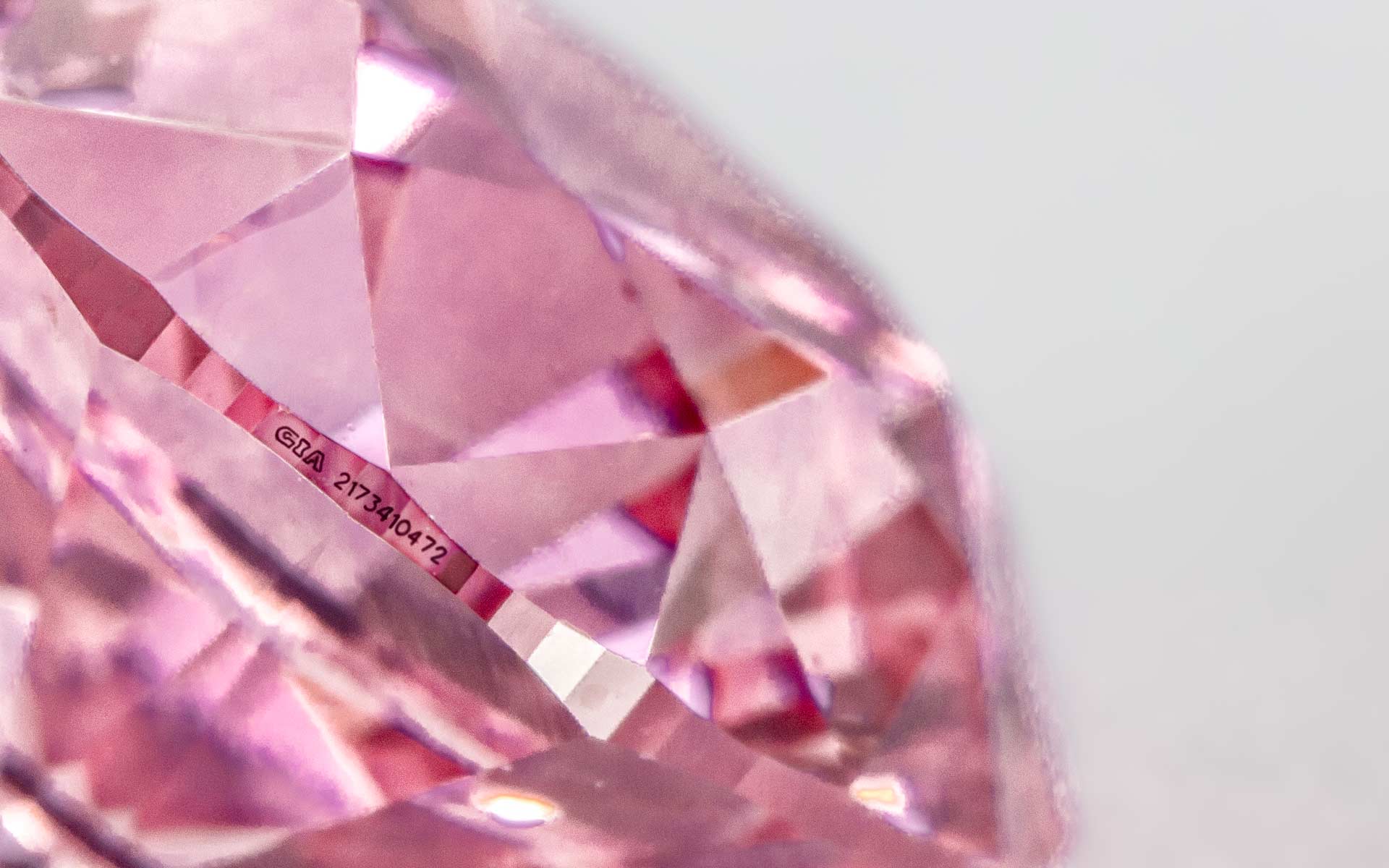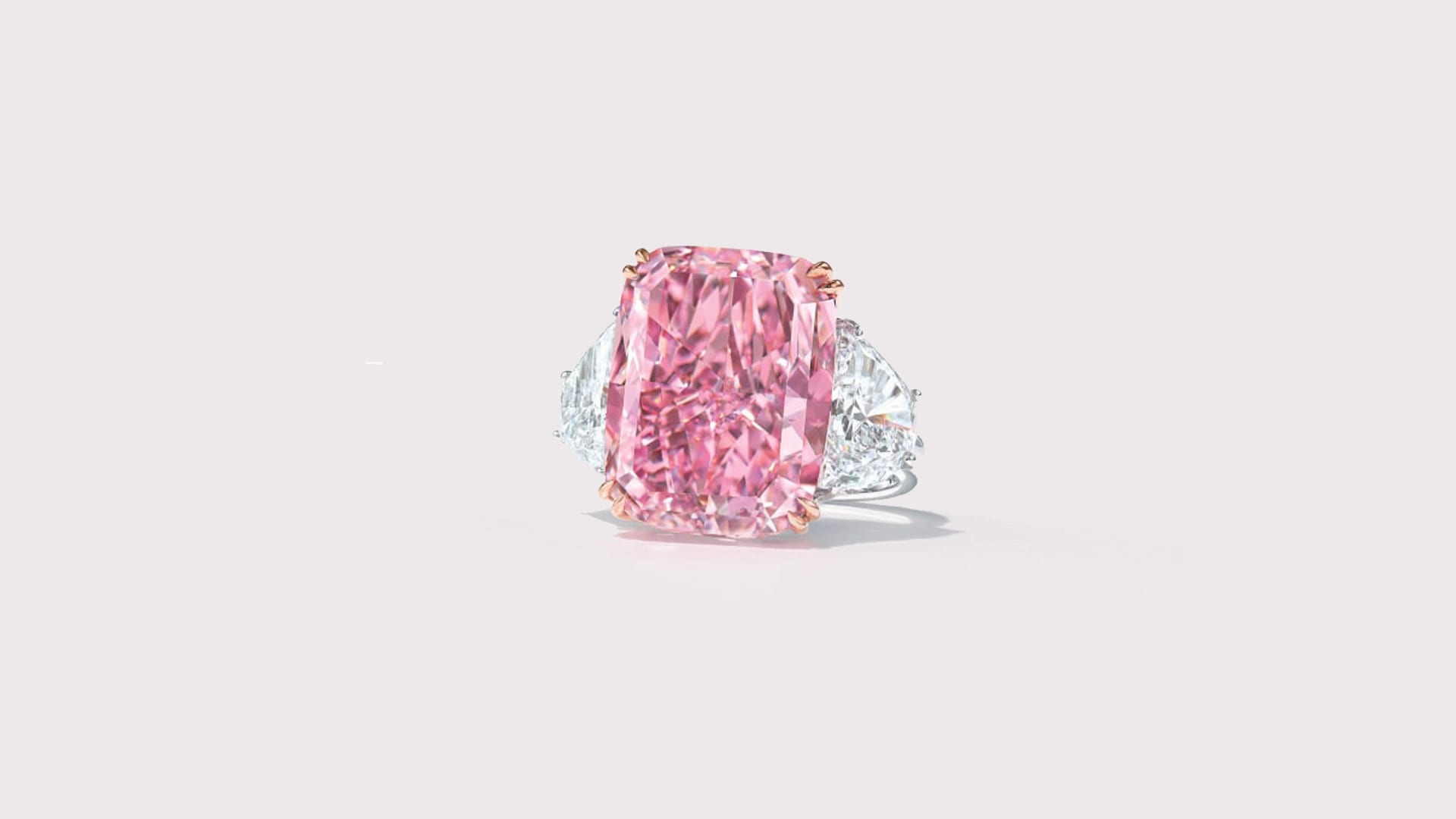

Don’t we owe it to Millennials and Generation Z to tell them the truth about natural diamonds?

By Richard Chetwode

15 years ago, civil rights activist Dr. Benjamin Chavis, one of the co-founders of the non-for-profit organisation Diamonds Do Good, met with Nelson Mandela, and the great man personally asked the good doctor to help u201cto raise more awareness about the benefits to Africa that are derived from the good that diamonds do.u201d.

Funded by the natural diamond industry, Diamonds Do Good recently gave donations to the Flaviana Matata Foundation in Tanzania (set up by supermodel Flavia Matata to support education and empowerment for girls) as well as to Sentebale (set up Prince Harry to supports the wellbeing and mental health of young people afflicted with HIV in Lesotho and Botswana). It plays to a lot of the many good news stories about natural diamonds and for an industry that produces the ultimate luxury, it makes sense that Social Purpose and Sustainability are so often central to what they do.

So why arenu2019t consumers hearing more about good news stories like Diamonds Do Good? To some extent, itu2019s the fault of our industry, which remains fixated with the 4 u201cCu2019s of Carat weight, Cut, Colour and Clarity, and has been slow to grasp the need to talk to todayu2019s new consumers about the fifth u201cCu201d; Community. The good news is that there are some great stories to tell, because natural diamonds make a huge financial, environmental, and social contribution to almost all the countries in which they are found. But maybe these good news stories are being undercut by another, very worrying narrative. A narrative which is being peddled by a handful of lab-grown companies predominantly (but not exclusively) in the US, who publish inaccurate information, and/or through innuendo and misrepresentation denigrate the natural diamond story, tarring the whole industry with the same brush; (please see the second half of this article under the heading; u201cA lie will fly twice around the whole world while the truth is still getting its boots onu201d for examples).
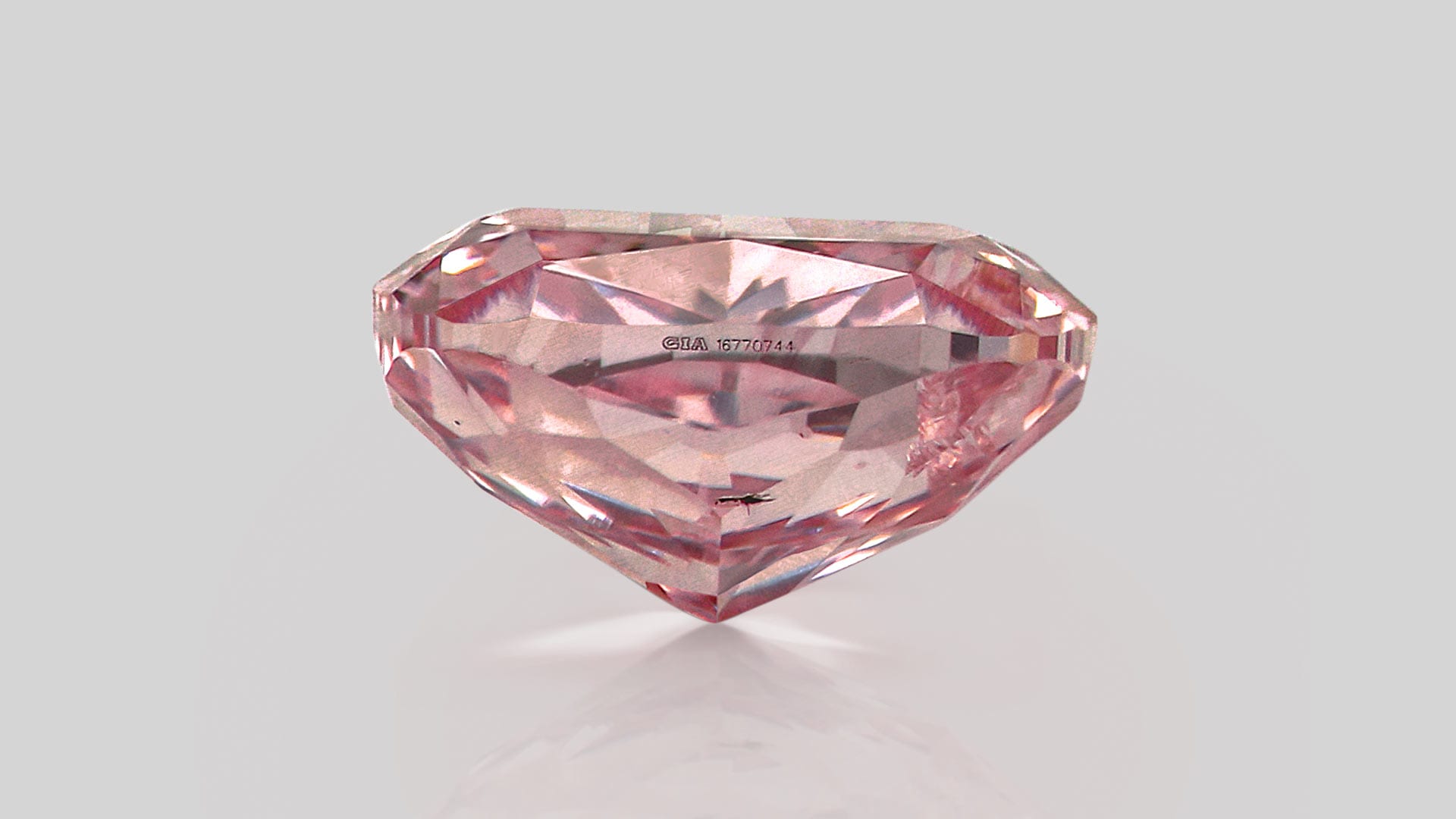
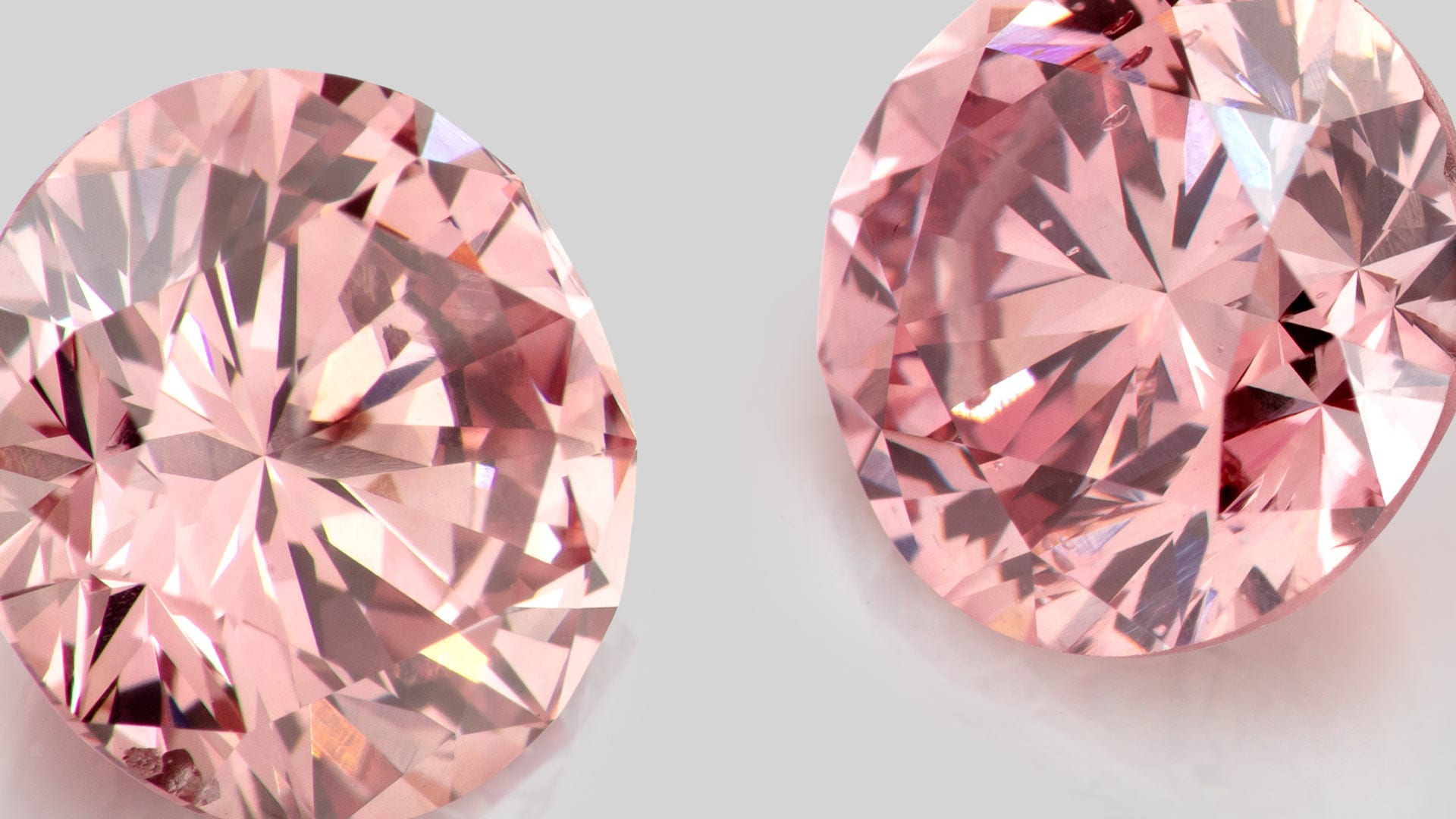
Pre-owned Argyle pink diamonds hit market in unique public tender

By Stephanie Sinclair – The Kimberley Echo

The Argyle diamond mine may have closed, but a new market for its rare East Kimberley gems has opened with the first public tender of Argyle pink diamonds this week.

Over the next week, members of the public have the chance to get their hands on 36 previously owned Argyle pinks from across Australia as part of diamond technology start-up yourdiamonds.comu2019s first secondary market diamond sale.

The collection of pre-owned stones is estimated to fetch a combined value of up to $18m, with the highest value diamond u2014 a two carat round brilliant cut stone u2014 tipped to sell for up to $2.5m.

Pink diamond collection set to fetch millions with rush to invest following Argyle mine closure

By Courtney Fowler

A private collection of rare Australian pink diamonds is expected to fetch up to $18 million when it goes up for sale next week.

Only months after the closure of the Argyle diamond mine in the East Kimberley, an Australian online start-up is offering the first known public tender of the iconic pink gems which closes July 1.

The collection of 33 pre-owned stones includes a two-carat vivid pink, which alone is estimated to be worth up to $2.5 million.

From birth to timeless legacy: The complete story of Argyle pink diamonds

By Arabella Roden

As the era of the Argyle Mine draws to a close, ARABELLA RODEN explores the compelling history and enduring legacy of the worldu2019s premier source of pink diamonds.

The colour pink is associated with many things u2013 beauty, love, and femininity, to name a few. And so too are pink diamonds, which in addition to their captivating colour, are also some of the rarest treasures on Earth.

There is no way to discuss the pink diamond category without the Argyle Mine. Discovered in 1979 and operational since the mid-1980s, the Rio Tinto owned-and-operated site u2013 located 550km southwest of Darwin, in the remote Kimberley region of Western Australia u2013 produced 90 to 95 per cent of the worldu2019s pink and red diamonds before its closure in November 2020.

‘Flawless’ purple-pink diamond fetches record $29.3M at auction

Megan C. Hills, CNN + Oscar Holland, CNN

A 15.81-carat gem, dubbed “The Sakura,” fetched $29.3 million in Hong Kong to become the most expensive purple-pink diamond ever to sell at auction.

Named after the Japanese word for cherry blossom, it is the largest diamond of its kind to go under the hammer, according to Christie’s, the auction house behind the sale.

The stone, which is set on a simple platinum ring, has been classed as internally flawless, meaning that any blemishes are only visible under close magnification. It is also classified as “fancy vivid,” a measure of intense color achieved by only 4% of pink diamonds, the auctioneer said.


read full article